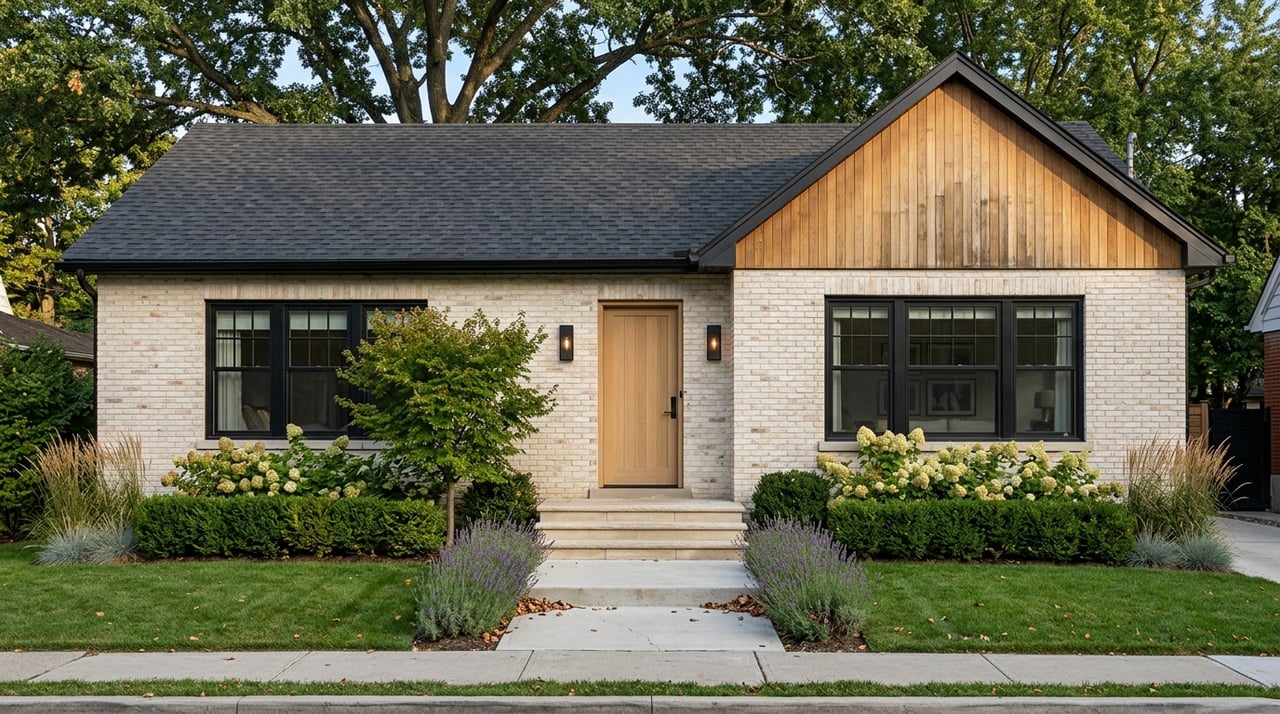
Denver Move Up Guide for Your Forever Home
June 4, 2026
June 4, 2026
Ready for more space, but unsure how to make the jump without feeling stretched? If you own a condo in Denver and your next chapter looks more like a long-term single-family home, you are not alone. The good news is that a smart move-up plan can help you balance timing, equity, financing, and neighborhood fit with much less stress. Let’s dive in.
If you are moving from a condo to a forever home in Denver, it helps to start with the bigger picture. Recent metro and city data point to a market that feels relatively steady rather than frantic, with median prices landing in the high-$500,000s to low-$600,000s and homes often spending about two weeks on the market.
That steady pace matters because it gives you room to plan. You may still need to move quickly on the right home, but this is not the same environment as an all-out rush market where every decision has to happen overnight.
This is one of the most important parts of a Denver move-up strategy. In spring 2026 data, townhouse and condo properties showed lower median prices than single-family homes, and the attached market was moving more slowly than the detached market.
In the four-county SMDRA and CAR report for March 2026, the median sales price was $395,000 for townhouse-condo homes compared with $685,000 for single-family homes. That same report showed days on market rising for townhouse-condo properties while falling for single-family homes.
For you, that can mean two things at once. Your condo may take more patience to sell, while the forever home you want may face stronger competition if it is a detached property in a sought-after Denver neighborhood.
Before you browse homes, get clear on what your condo may contribute to the next purchase. Your equity can help shape your down payment, your monthly payment, and how flexible you can be on timing.
A move-up plan usually works best when you look at the whole cash picture, not just your sale price. You will want to think about your mortgage payoff, likely closing costs, moving expenses, and reserves for repairs, updates, HOA dues, or other homeownership costs.
A lot of buyers focus only on the down payment, but there is more to the story. The CFPB says closing costs often run about 2% to 5% of the purchase price, not including the down payment.
That means your cash needs can include:
If you are moving into a larger home, keep in mind that your monthly cost can change even if your mortgage rate feels manageable. Property taxes in Colorado are local and revalued every odd-numbered year, so a larger home may affect your payment in ways that go beyond principal and interest.
Getting ahead of financing can save you a lot of stress later. Before approving a move-up purchase, lenders typically review your income, assets, employment, savings, monthly debts, credit history, and credit score.
If your condo has not sold yet, your financing picture can get more complex. In some cases, the lender may need to count both your current housing payment and the proposed payment for the new home, especially if the sale of your existing home is not far enough along.
Mortgage rates also affect your move-up plan. Freddie Mac reported a 30-year fixed rate of 6.51% as of May 21, 2026, and the CFPB notes that rates can change daily or even hourly.
That is why it helps to compare Loan Estimates carefully and talk through timing with your lender. If you are trying to line up a condo sale and a home purchase at the same time, even a small rate shift can change your monthly payment and overall comfort level.
Most condo owners moving up in Denver will land in one of three paths. Each one has tradeoffs, and the best option depends on your finances, timeline, and risk tolerance.
This is often the simplest path. The CFPB says people normally try to sell their current home before buying another one.
Selling first can give you a clear budget and reduce the chance of carrying two housing payments. The tradeoff is that you may need temporary housing or a flexible plan if your condo sells before you close on your next home.
This path lets you make an offer on your next home that depends on the sale of your current condo. It can create a more manageable financial transition because your purchase is tied to your sale.
The challenge is competitiveness. In some situations, a seller may prefer a cleaner offer without that contingency, especially if detached homes are moving faster than attached homes.
Some buyers purchase before their condo closes by using equity-access tools or other temporary financing. This can create more flexibility if you find the right forever home before your current place sells.
It can also raise the stakes. If your condo takes longer to sell than expected, you may be carrying more cost and more risk than you planned.
Two common tools in move-up planning are bridge loans and HELOCs. They are not the same thing, and the differences matter.
According to CFPB guidance, a bridge or swing loan is temporary financing that is typically repaid with proceeds from the sale of your existing home and then replaced with permanent financing. A HELOC is a revolving line of credit secured by your home equity.
These options can give you more flexibility if your equity is tied up in your condo. That can be useful when timing does not line up perfectly.
But they also come with added cost and risk. A HELOC may have a variable rate, and the lender may freeze additional borrowing if your home value drops significantly or your finances change. That is why these tools should be modeled carefully with your lender before you rely on them.
Moving up is not just about square footage. It is about finding a home and neighborhood that fit how you want to live for years to come.
For many Denver buyers, that means replacing condo-style amenities with different priorities. Instead of focusing on lock-and-leave convenience, you may be thinking more about layout, lot size, privacy, park access, storage, and how your daily routine works in a larger home.
If you want to stay in Denver, established south Denver areas can be useful places to explore. Denver’s neighborhood dashboard tracks 78 statistical neighborhoods, which can help you compare areas at a local level.
Observatory Park and University Park are often part of the move-up conversation because of their established residential setting and historic character. Historic district documentation for University Park describes Observatory Park as part of a tree-lined neighborhood fabric with early homes facing the park and the Chamberlin Observatory serving as a focal point.
The Washington Park area is another example buyers often consider when park access and neighborhood identity are high on the list. Denver Parks and Recreation identifies access to parks and open space as a citywide priority, and the Washington Park area includes facilities such as the Washington Park Boathouse and Washington Park Recreation Center.
As you narrow your search, it helps to focus on practical fit. For a long-term home, some of the most useful filters include:
This kind of planning is especially helpful when you are choosing between neighborhoods that may feel similar at first glance. A thoughtful side-by-side comparison can make your decision much clearer.
When you are balancing a sale and a purchase, it can be tempting to strip out every contingency just to make the deal work. But inspection-related protections still matter.
Both the CFPB and Fannie Mae guidance point to the importance of understanding property condition and risks before you commit. In a move-up purchase, that is especially important because repair costs on a larger home can add up quickly.
A strong plan usually starts before your condo hits the market. The more clearly you map the sequence, the easier it is to make confident decisions.
A simple planning checklist can help:
The goal is not perfection. The goal is to create a path that gives you options and keeps surprises manageable.
If you are thinking about your own move from condo to forever home in Denver, personalized guidance can make the process feel far more straightforward. Kelly Mauro offers thoughtful, high-touch support to help you evaluate timing, neighborhood fit, and the right strategy for your next move.
Stay up to date on the latest real estate trends.








Kelly Mauro is dedicated to helping you find your dream home and assisting with any selling needs. Contact me today to start your home-searching journey!