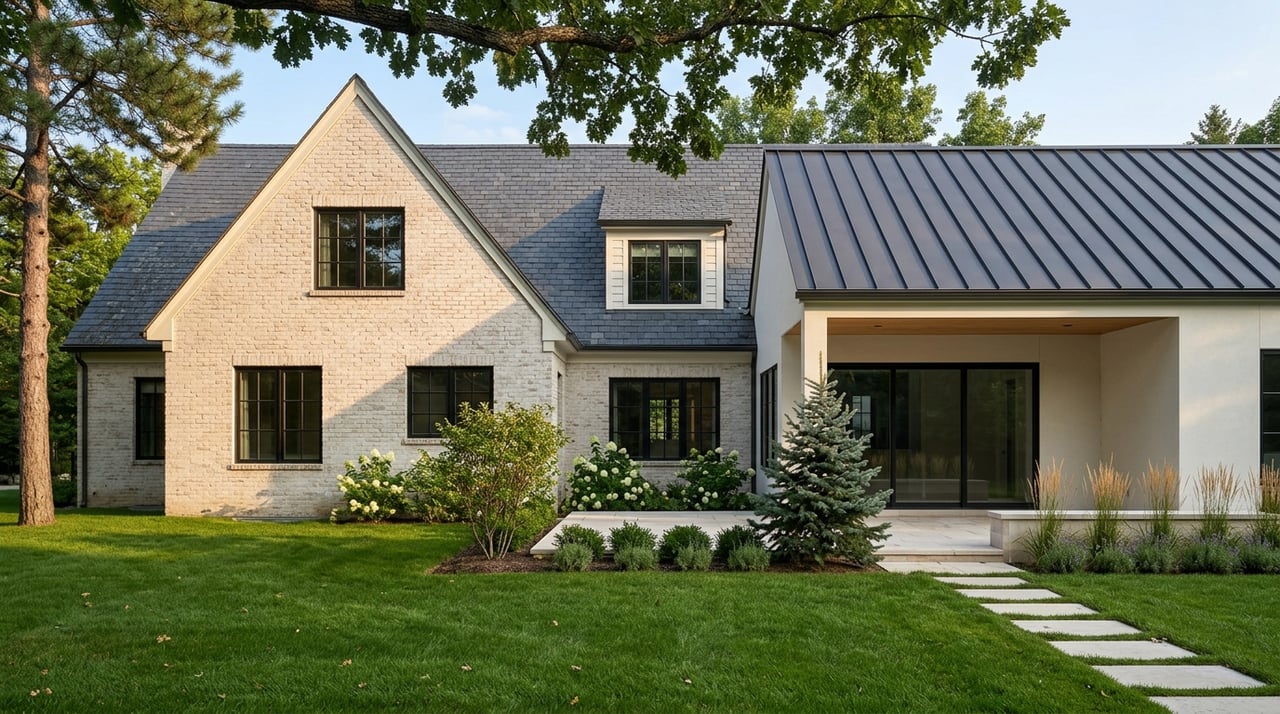
New Construction Versus Resale Homes In Greenwood Village
July 16, 2026
July 16, 2026
Trying to choose between a brand-new home and a resale property in Greenwood Village? In a market where home values are high, inventory is limited, and neighborhood setting matters just as much as square footage, that decision deserves a closer look. If you want to weigh customization, timeline, condition, and long-term value with more confidence, this guide will help you compare your options clearly. Let’s dive in.
Greenwood Village is a small, high-value housing market with 6,922 housing units and a 64.1% owner-occupied rate. Recent Census estimates also place the median owner-occupied home value at $1,237,800, which tells you this is a market where buyers often make thoughtful, long-term decisions.
Because the city covers just 8.27 square miles, the details around lot placement, street feel, and overall livability can carry real weight. In a place like Greenwood Village, the decision between new construction and resale is not only about finishes. It is also about how you want to live day to day.
In Greenwood Village, new construction often looks different than it does in a large suburban growth area. The city’s Comprehensive Plan emphasizes preserving existing residential neighborhoods and maintaining the single-family detached character of the community.
That means you may see more infill opportunities, teardown-and-rebuild projects, or custom homes rather than large releases of brand-new subdivision inventory. If you are shopping for a new home here, it is smart to expect a more selective and nuanced search.
The biggest draw of new construction is usually control. Depending on the stage of the project, you may be able to choose finishes, layout details, and features that match how you actually live.
You also start with newer systems and a more current code baseline. Greenwood Village currently operates under the 2018 International Residential Code and the 2018 International Energy Conservation Code, which can give newer homes a more modern performance baseline than older properties.
For some buyers, energy performance is a major advantage. If a home is ENERGY STAR or DOE Efficient New Homes certified, that means it meets stricter efficiency standards and includes third-party verification. That is different from a home that is simply built to current code.
The trade-off with new construction is that the process can be more complex. Greenwood Village requires permits for new buildings and most construction activity, and the listed residential single-family plan review timeframe is 15 business days.
That does not mean every project moves on a simple schedule. Some homes may also require HOA or ACC approvals and additional review steps before permits are issued, which can create more moving parts and less predictability.
Cost is another area to examine closely. In Greenwood Village, residential fire sprinkler systems are required for new homes with a total floor area of 7,700 square feet or greater. In a luxury market where larger custom homes are common, that requirement can affect design choices and final cost.
If you are comparing a new or recently built home, ask focused questions up front:
These answers can help you compare total cost, timeline, and risk more accurately than list price alone.
For many buyers, resale homes offer something hard to replicate: a finished, established setting. In Greenwood Village, where neighborhood character and landscape contribute heavily to the feel of a property, that can be a major advantage.
The city’s planning materials describe areas with manicured, irrigated landscape, natural vegetation, and open space. When you buy resale, you can evaluate those qualities in real time instead of trying to imagine how a new property may feel years from now.
With a resale home, what you see is much closer to what you get. You can walk the lot, study the street, observe neighboring homes, and get a clearer sense of privacy, sun exposure, traffic patterns, and mature landscaping before you make an offer.
Resale also gives you a more direct picture of the home’s current condition. Because the property already exists, an inspection can identify repair needs before closing, and depending on your contract terms, you may be able to renegotiate, request repairs, or step away.
For buyers who want faster occupancy, resale may also be the easier path. A completed home typically removes many of the timing variables that can come with permits, reviews, and construction schedules.
The main compromise with resale is that an older home may not deliver the layout, systems, or efficiency level you want without additional work. If a property predates current standards and has not been substantially renovated, you may want to budget for updates after closing.
That does not make resale a weaker choice. It just means your comparison should include likely improvement costs, not only the initial purchase price.
In Greenwood Village, that can be especially important because buyers often care about long-term livability just as much as design. A beautiful established property may still need changes to better fit your goals.
Here is a simple way to compare the two options in Greenwood Village:
| Factor | New Construction | Resale Home |
|---|---|---|
| Setting | May be infill, teardown/rebuild, or custom site | Established lot, street, and landscape |
| Condition | New systems and current code baseline | Existing condition can be inspected before closing |
| Customization | Higher potential for personalization | Usually less customization upfront |
| Timeline | Often less predictable due to permits and approvals | Often faster move-in timeline |
| Efficiency | May offer stronger energy performance baseline | May require upgrades depending on age and renovations |
| Cost Planning | Can involve added design and construction variables | May involve post-closing updates or repairs |
The right choice usually comes down to how you balance control, certainty, and timing. If you value customization, newer systems, and a potentially stronger efficiency baseline, new construction may be the better fit.
If you value mature landscaping, established character, and the ability to inspect the finished property before committing, resale may serve you better. Neither path is universally better. The best option is the one that fits how you want to live and how much complexity you are comfortable managing.
No matter which direction you lean, inspection matters. Even if a home is newly built, it is still wise to hire an independent inspector.
That step helps you verify workmanship, understand maintenance needs, and make a more informed decision. With resale, inspection gives you a clearer picture of current condition. With new construction, it adds another layer of protection before closing.
In Greenwood Village, small differences can have a big impact on your experience. A home’s setting, whether the project is truly new construction, whether approvals are complete, and how the property aligns with your timeline all matter.
That is why this comparison is rarely just about choosing “new” or “old.” It is about reading the specifics of each opportunity and understanding how city requirements, neighborhood context, and future costs fit into your bigger picture.
If you are weighing new construction versus resale homes in Greenwood Village, a personalized strategy can save you time and help you make a more confident decision. Reach out to Kelly Mauro for thoughtful, high-touch guidance tailored to your goals.
Stay up to date on the latest real estate trends.
Kelly Mauro is dedicated to helping you find your dream home and assisting with any selling needs. Contact me today to start your home-searching journey!