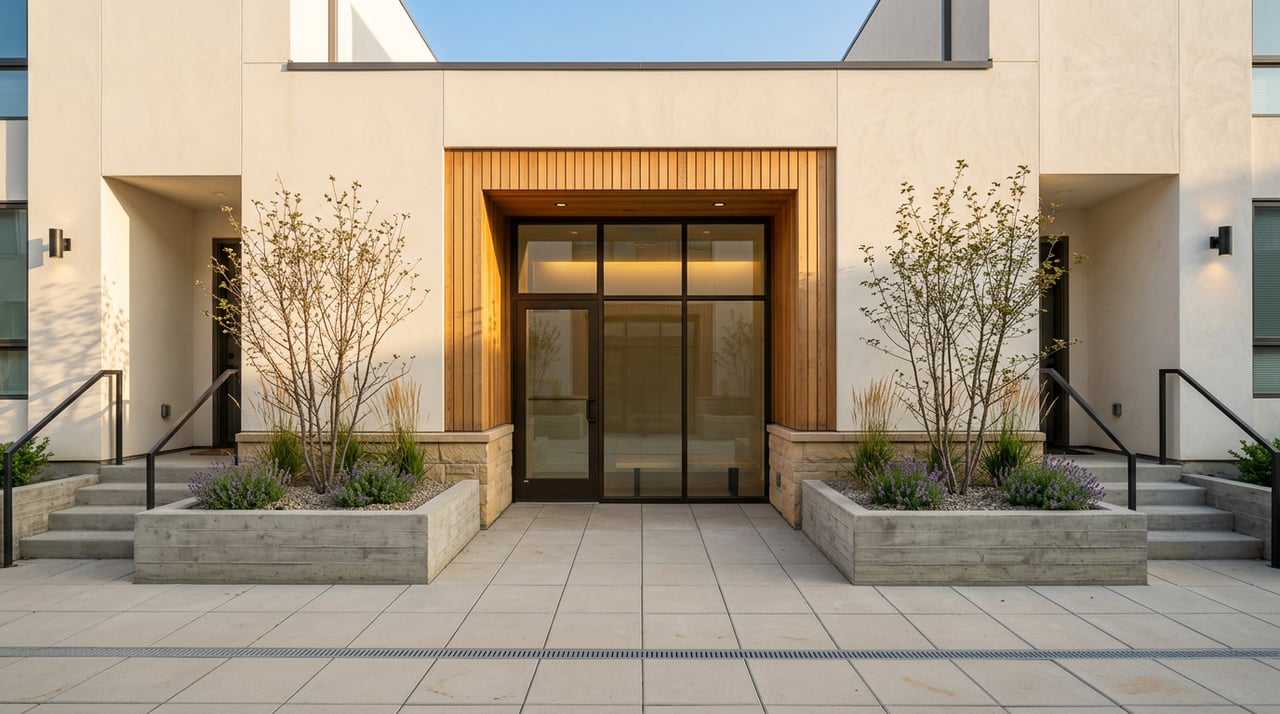
Boulder Lock-and-Leave Condos and Townhomes for Low-Maintenance Living
March 5, 2026
March 5, 2026
Looking for a Boulder home that lets you travel freely, skip yard work, and still enjoy the city’s trails, food, and culture when you are in town? If so, a condo or townhome can be an ideal lock-and-leave choice. You reduce exterior maintenance, gain secure access and parking, and still keep a foothold in one of Colorado’s most desirable markets. In this guide, you’ll learn where to look, what HOA costs usually cover, how Boulder’s rental rules affect second homes, and a step-by-step checklist to buy with confidence. Let’s dive in.
Boulder’s overall market sits at a premium, with a recent citywide median sale price around $999,000. For many buyers, condos and townhomes offer a more accessible way to own here while lowering exterior upkeep. Mid-2025 reports showed Boulder’s condo and townhome median around ~$590,000, and inventory in this segment increased relative to prior years. That shift created a more balanced environment where pricing and time on market depend more on condition, HOA dues, and building management quality, as noted in recent PorchLight market stats.
The practical takeaway: a well-managed building with solid reserves and the right amenities supports true lock-and-leave living. You get predictable maintenance, better security, and on-site or responsive management. With more choice on the market than in the frenzy years, you can be selective about the building, not just the unit.
If you want walkability first, downtown and the Pearl Street corridor deliver. You’ll find mid-rise condos, boutique lofts, and some luxury buildings with secure entries and underground parking. HOAs tend to be higher when buildings include on-site staff, strong reserves, and robust amenities. The tradeoff is premium pricing for the location and convenience.
Near CU Boulder, you’ll see smaller condos and stacked flats, often studios or one-bedrooms. These locations put you close to campus, culture, and transit. Turnover can be higher and rental pressure more pronounced, which makes a careful read of HOA rules and building history essential.
Townhomes and garden-style condos are common here, including newer low-rise communities with attached garages. This area can be a smart choice if you want more storage or a garage while keeping exterior work to a minimum. You typically gain easier parking and a quieter setting than central Boulder, with quick access to trails and commuter routes.
South Boulder offers a mix of townhomes and garden condos that pair everyday convenience with simpler maintenance. Assigned garages and easy vehicle access are common. If you still commute but want a home you can lock, leave, and return to with minimal effort, this cluster often checks the boxes.
Close to iconic trailheads, you’ll find small townhome-style communities and historic conversions. Listings can be scarce, and some complexes present unique parking or seasonal considerations. When lifestyle is your top priority, this area rewards patient buyers who value proximity to open space.
You’ll see newer mixed-use condo and townhome projects near retail and transit nodes. If you want modern finishes and everyday convenience, it’s worth tracking redevelopment around the 29th Street and Baseline corridors. City planning activity is ongoing here, and you can scan related items via Boulder’s Planning Board decisions.
Condos and townhomes typically shift exterior maintenance to the HOA. That often includes building insurance under the master policy, common-area upkeep, landscaping, snow removal, and management fees. The Colorado Common Interest Ownership Act outlines owner and association responsibilities, so it pays to understand coverage up front. For a clear sense of what HOAs can and cannot do, review CCIOA’s provisions on association governance and disclosures in the Colorado statutes.
HOA fees vary by location, age, and amenity set. In Boulder, many garden-style and townhome communities show monthly dues in the low-to-mid hundreds, while amenity-heavy downtown buildings frequently run in the high hundreds to over $1,000 per month. Recent coverage has also highlighted the rising frequency and cost of HOA dues in the region, which underscores why it’s smart to audit building reserves and maintenance plans before you buy. For local context, see Axios Boulder’s reporting on HOA fees and trends.
Two insurance pieces matter for budgeting. The HOA carries a building “master policy,” and you purchase an individual HO-6 policy that typically covers interior finishes, personal property, liability, and sometimes loss assessment. Your lender and insurance agent will want to know if the master policy is walls-out or walls-in. For a straightforward overview of how an HO-6 works, the Insurance Information Institute’s guide to condo insurance basics is helpful.
If you plan to offset costs by renting your home, know Boulder’s short-term rental framework. Rentals of fewer than 30 days require a short-term rental license and must be the owner’s principal residence, defined as the home where you live more than half the year. License numbers must be displayed in ads, and renewal includes an affidavit and fee. These rules significantly limit short-term rentals for second homes and most investment condos. Review the City’s official guidance on short-term rental licensing.
If you want income while traveling, long-term leases of 30 days or more are the typical legal path, subject to HOA bylaws. Always confirm both the City’s licensing requirements and the HOA’s rental policies before you write an offer.
Mid-2025 data pointed to a cooler but still healthy market compared to the peak frenzy years. Single-family medians remained high, while condos and townhomes saw mixed performance month to month. Inventory in the condo/townhome segment increased, which often meant longer days on market for units with dated finishes or high dues. You can scan the broader patterns in PorchLight’s Boulder market update.
For lock-and-leave buyers, that means you have room to negotiate on marginal listings or buildings with above-average fees. Focus on building-level quality, reserves, and management, since those factors support future resale and a simpler ownership experience. If you want more data to triangulate price trends, PropertyShark’s Boulder market trends provide additional context.
Use this list to keep your purchase low stress, even when you are out of town.
If you are weighing options or want curated building recommendations that match your travel schedule, parking needs, and budget, reach out. I can help you compare neighborhoods, review HOA health, align insurance and financing, and negotiate terms that protect your time and peace of mind. Connect with Kelly Mauro to start the conversation.
Stay up to date on the latest real estate trends.
Kelly Mauro is dedicated to helping you find your dream home and assisting with any selling needs. Contact me today to start your home-searching journey!