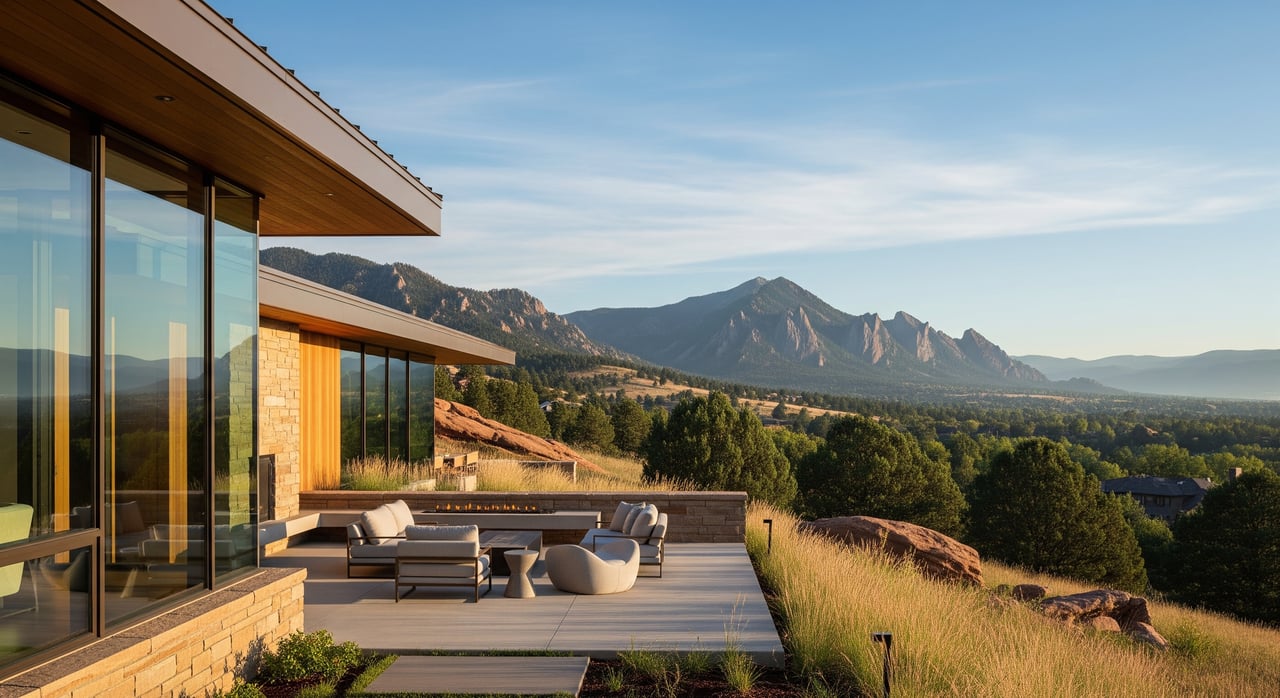
Moving to Boulder Colorado: What Daily Life Feels Like
February 5, 2026
February 5, 2026
Thinking about trading city bustle for mountain views and trailheads? If Boulder is on your shortlist, you’re likely weighing lifestyle, commute, schools, and whether daily life in the foothills matches your routine. You want real, practical insight before you commit. In this guide, you’ll learn how Boulder works day to day, from transit and neighborhoods to climate and weekend life, using neutral, up-to-date context from official sources. Let’s dive in.
Boulder is a mid-sized city with a compact, walkable core and easy access to open space. You’ll find a strong university presence, a knowledge-driven economy, and a culture that prizes health, sustainability, and time outdoors. The vibe is progressive and community-minded, with active participation in local issues and open-space preservation.
Local employers include the University of Colorado Boulder, research labs, clean energy firms, and startup and outdoor-lifestyle companies. For an overview of the business environment and industry mix, you can explore the Boulder Chamber. Housing costs are higher than Colorado and national averages, and the market shifts quickly. When assessing affordability, consider up-to-date figures from local MLS feeds or statewide market reports and talk through scenarios with a lender.
The primary route to Denver is US‑36. During peak hours, traffic can be heavy, and a Denver commute commonly runs about 30 to 60 minutes depending on your destination and timing. Within Boulder, most trips are short thanks to the city’s scale, though foothill and edge neighborhoods can add drive time. If you plan to spend time downtown or near campus, factor in managed parking and residential permit areas.
Boulder connects to the Denver metro via Regional Transportation District service, including the Flatiron Flyer bus rapid transit on US‑36. Local buses and shuttles also serve neighborhoods and the university area. Check RTD schedules and route maps for current frequency, fares, and park‑and‑ride options. Many commuters mix driving with a park‑and‑ride to simplify downtown access.
Boulder is one of Colorado’s most bike‑friendly cities, with multi‑use paths like the Boulder Creek Path and an extensive bike lane network. Walkability is strongest near downtown and central neighborhoods around Pearl Street. Hills, winter weather, and distances from foothill areas can affect everyday biking, so map your routes and test rides. If biking is key to your routine, prioritize proximity to paths and gentle grades.
Downtown has paid and time‑limited parking, and some residential streets near the university use permit systems. Before you choose a neighborhood, review city parking guidelines to avoid surprises. Start with the City of Boulder for current programs, fees, and maps.
Most of Boulder is served by the Boulder Valley School District, which offers neighborhood schools plus magnet, charter, and alternative programs. School performance and offerings vary by campus, and boundaries can shift over time. Review enrollment policies and boundary maps directly with Boulder Valley School District and the Colorado Department of Education before you buy. If a specific program matters to you, verify availability and transportation options during your home search.
Like many high-demand areas, Boulder’s childcare market can be tight, and popular centers may have waitlists. Families often start research early and consider proximity to desired childcare and elementary schools when choosing a neighborhood. Build time into your plan to tour, compare costs, and secure a spot.
Boulder has hospitals, urgent care centers, and a broad range of specialists. For more specialized needs, the Denver metro offers additional tertiary care options. You’ll find natural-food markets, local grocers, and larger stores across town, with big-box retail typically clustered along major corridors or in nearby municipalities. If you prefer walking to errands, look at central neighborhoods; if you want easy parking and larger stores, consider edge areas.
Boulder’s semi‑arid climate brings four seasons and plenty of sun. Winters include snow, but sunny days often follow, helping roads and sidewalks clear quickly. Rapid weather changes are common near the foothills, and afternoon winds can be strong. For local forecasts and climate normals, check the National Weather Service Boulder office and broader data from NOAA.
Weather affects routines more than you might expect. Plan for snow removal on driveways and sidewalks, occasional winter whiteouts that slow driving, and summer thunderstorms with gusty winds. Foothill streets can be steeper and icier in winter, so winter tires and a reliable snow plan help.
Trailheads and open space are a defining feature of Boulder life. You can reach Chautauqua, Flagstaff Mountain, and other foothill trails in minutes for hiking, running, climbing, and winter outings. City and county land managers provide maps, rules, and seasonal closures; start with City of Boulder and Boulder County resources to plan routes and understand dog leash policies and trail etiquette. For bigger day trips, Eldorado Canyon State Park and Rocky Mountain National Park are typically 1 to 1.5 hours away depending on destination and traffic.
Boulder’s dining scene mixes independent restaurants, farm‑to‑table spots, cafés, and a strong brewery and taproom culture. The Pearl Street Mall anchors a pedestrian‑friendly core with many options. Nightlife exists but tends to be more low‑key than in larger cities. You’ll find live music, smaller venues, and university‑linked performances throughout the year.
Local theaters, galleries, and community programming keep the calendar busy. The university adds lecturers, cultural events, and sports that bring energy and visitors. To see what’s on tap, browse University of Colorado Boulder public events and performance series.
Fitness is part of the culture here. Expect climbing gyms, yoga and Pilates studios, outdoor clubs, and an abundance of wellness services. Whole‑food and organic markets are common, and many residents build daily routines around trail time, studio classes, and recovery.
Every Boulder neighborhood trades off walkability, yard space, elevation, and access to downtown and trails. Here’s a quick way to frame your search:
Boulder’s cost of living sits above state and national averages, primarily due to housing. Groceries, utilities, and services also trend higher than the U.S. median. Because market conditions shift quickly, evaluate current numbers and consider both your purchase price and ongoing expenses.
Colorado’s state income tax applies, as do local sales taxes. Property tax rates are moderate compared with some states, but high home values mean higher total tax bills. Utility rates vary by provider and whether your home is on municipal or county service. Ask for recent utility statements during your due diligence, and check city and county pages for current rates and service areas through the City of Boulder and Boulder County.
Boulder’s community priorities include open‑space protections, neighborhood parking programs, and rules that may affect rentals and remodeling. If you plan to operate a short‑term rental, confirm licensing and eligibility with the city. For any permitting, parking, or open‑space questions, rely on official updates via the City of Boulder.
Use this quick list to decide whether Boulder fits your lifestyle and goals:
If your ideal day includes a morning trail run, a bikeable coffee stop, and sunset views against the Flatirons, Boulder might be a perfect fit. If you need a faster daily drive to Denver or prefer larger suburban retail hubs, you may lean toward edge areas or nearby towns while staying close to the city’s outdoor access. Either way, you can design a lifestyle that balances convenience with the foothills feel. When you’re ready to explore neighborhoods that match your routine and budget, reach out to Kelly Mauro for a personalized consultation.
Stay up to date on the latest real estate trends.
Kelly Mauro is dedicated to helping you find your dream home and assisting with any selling needs. Contact me today to start your home-searching journey!